Why We Keep Rewatching the Same Shows
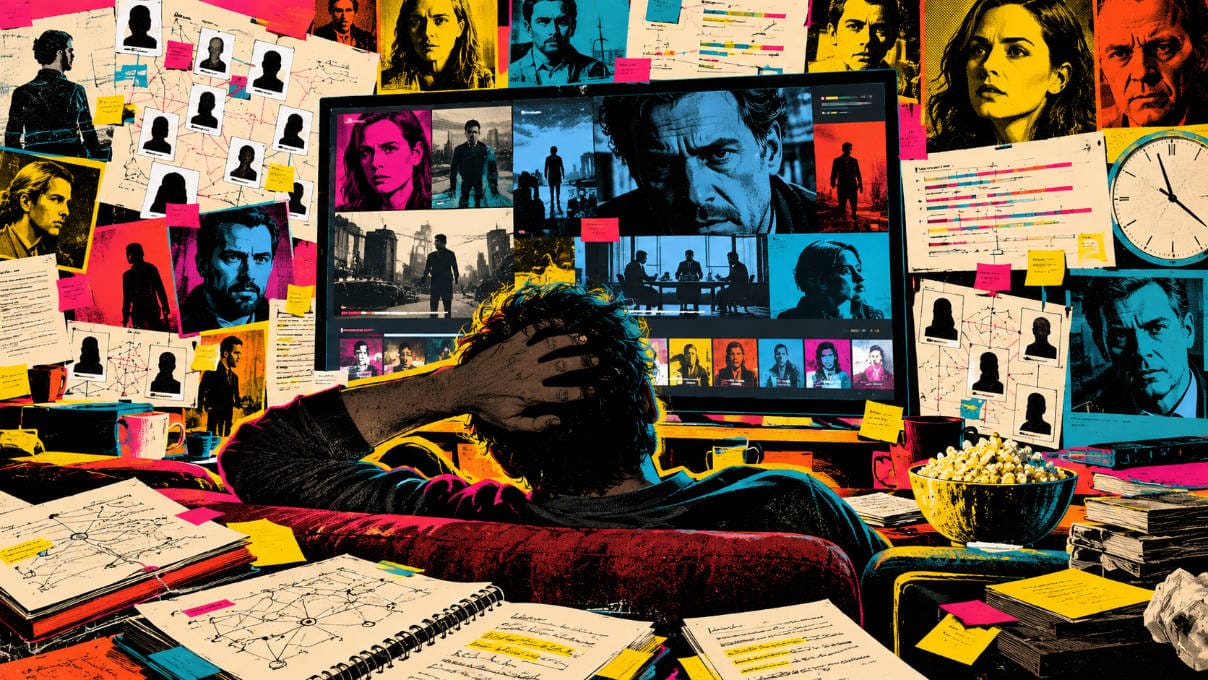
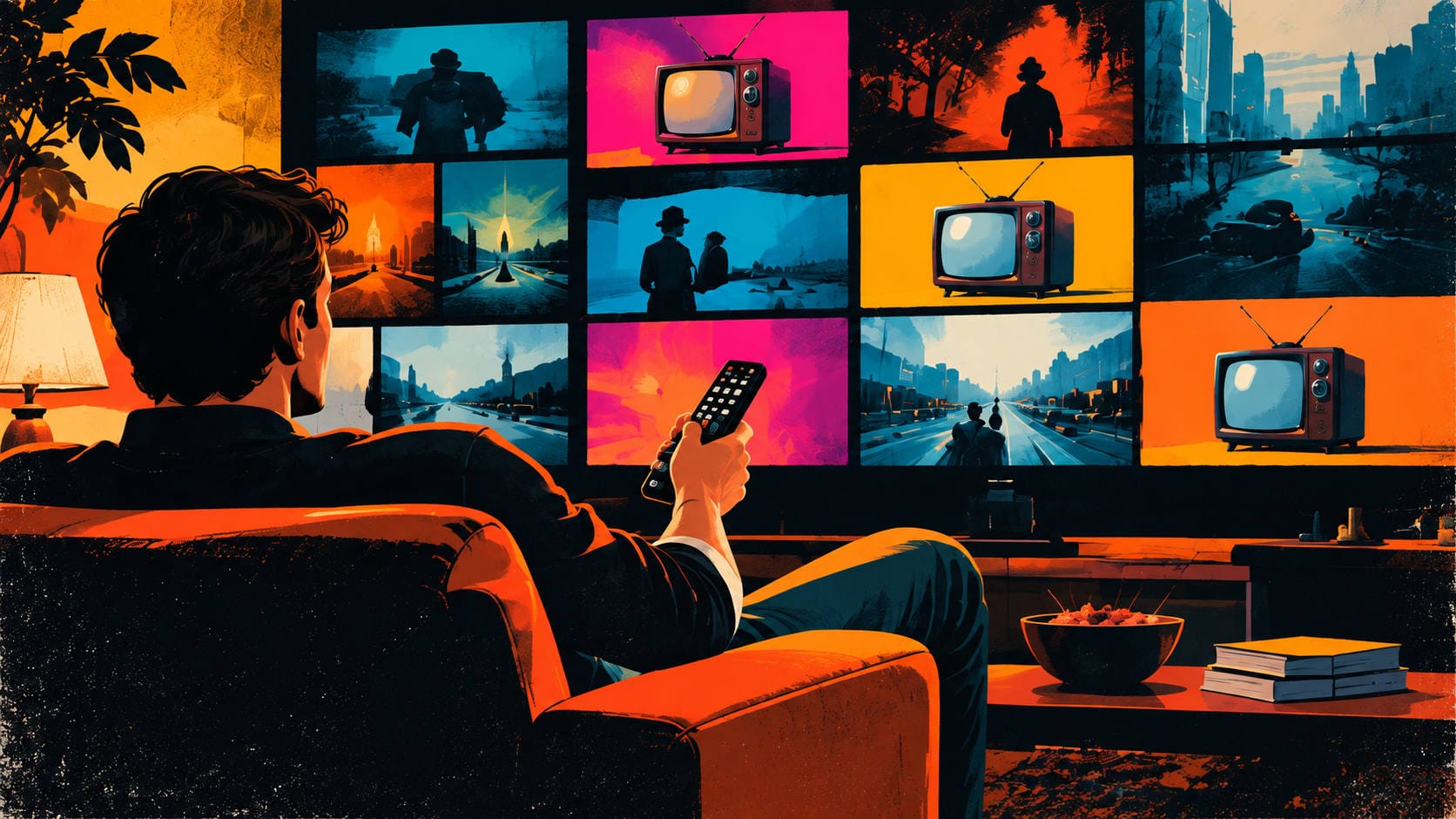
Streaming gave viewers endless choice, yet millions keep returning to familiar shows. Rewatch culture reveals how nostalgia, comfort, distraction and algorithms have reshaped what television means in the age of infinite libraries.
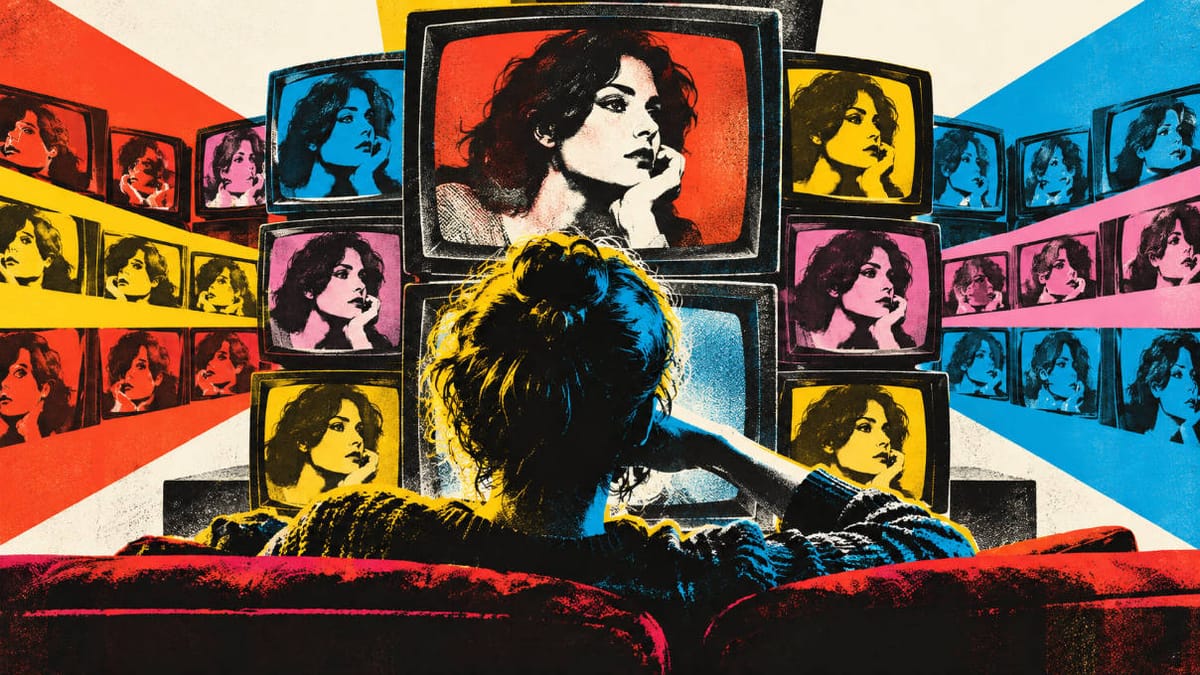
Streaming promised endless choice. Instead, millions of viewers keep returning to the same series, the same characters and the same familiar scenes. Rewatching has become one of the defining habits of the streaming age.
Streaming was supposed to liberate television.
For decades, viewers lived according to schedules. A show aired at eight, and if you missed it, you missed it. Reruns were dictated by networks. Box sets were expensive. Choice existed, but access remained limited.
Then streaming arrived and changed everything.
Suddenly, there were thousands of films and series available at any moment. Entire seasons could be watched in a weekend. Old shows returned from the dead. New ones appeared every week. Libraries expanded until no viewer could realistically keep up.
And yet something strange happened.
Faced with more choice than any audience in history, people began choosing the same things again.
And again.
And again.
The streaming era did not simply create binge-watching.
It created rewatch culture.
The Paradox of Infinite Choice
At first glance, rewatching seems irrational.
Why spend another twenty hours with a series you already know when hundreds of unseen titles are waiting?
But that question assumes entertainment is primarily about novelty.
Often it is not.
Entertainment is also about mood regulation, memory, familiarity and control.
The larger streaming libraries became, the more exhausting selection could become.
Every evening begins with the same problem.
What should we watch?
The platforms offer rows of recommendations.
Trending now.
Because you watched this.
Top ten.
Critically acclaimed.
New releases.
Hidden gems.
The abundance is supposed to feel luxurious.
Sometimes it feels like work.
Rewatching solves the problem immediately.
There is no risk.
You already know the tone.
You know whether the ending will disappoint you.
You know which characters irritate you and which ones you want to spend another evening with.
The uncertainty disappears.
In an entertainment economy built around endless choice, familiarity becomes a premium product.
Comfort Television Is Not Background Television
Rewatching is often dismissed as passive viewing.
Someone puts on an old sitcom while cooking.
A familiar drama plays in the background while a laptop remains open.
A beloved series fills the room while the viewer scrolls through a phone.
Sometimes that is exactly what is happening.
But not always.
Many viewers rewatch with remarkable attention.
They notice details that were invisible the first time.
They interpret characters differently.
They reconsider relationships.
A joke lands differently five years later.
A character who once seemed sympathetic now appears selfish.
Another character suddenly makes sense.
The show has not changed.
The viewer has.
That is one of the great pleasures of rewatching.
The second viewing is not really the same viewing.
Familiar Characters Become Emotional Infrastructure
Long-running television creates a particular form of attachment.
A novel may stay with us for years.
A film may become part of our personal mythology.
But television has another advantage: time.
We live with television characters.
Weeks become seasons.
Seasons become years.
Their apartments become familiar.
Their routines become predictable.
Their voices become recognizable before we look at the screen.
That repetition creates an intimacy that is artificial but psychologically powerful.
Viewers know these people are fictional.
That does not prevent them from becoming emotionally familiar.
When someone rewatches Friends, The Office, Gilmore Girls, Grey’s Anatomy, Breaking Bad, The Sopranos or any of the countless series that attract repeat viewers, they are not only returning to a plot.
They are returning to a place.
The emotional mechanism is closer to visiting an old neighborhood than consuming a new entertainment product.
Streaming Made Television Permanent
Television was once ephemeral.
Shows disappeared.
Episodes were lost.
Rights expired.
Entire series became difficult or impossible to find.
Streaming radically changed that relationship.
A successful series can remain culturally present for decades.
Younger audiences discover shows that originally aired before they were born.
Parents revisit series with their children.
Old fan communities acquire new members.
Television no longer necessarily belongs to the period in which it was produced.
It can remain active.
That has changed how culture ages.
A show from 2005 may still compete for attention with a show released last week.
Not equally, perhaps.
But realistically.
That was far less common in the broadcast era.
The Algorithm Loves What You Already Love
Streaming platforms have little reason to discourage rewatching.
A viewer who repeatedly returns to a familiar show is still engaged.
The platform does not necessarily care whether the user is discovering something new.
It cares whether the user remains subscribed and keeps watching.
That creates an unusual alignment between emotional comfort and business logic.
A familiar franchise reduces risk for the viewer.
It also reduces risk for the platform.
This helps explain the proliferation of sequels, revivals, reboots and expanded universes.
The entertainment industry has always exploited recognizable intellectual property.
Streaming intensified the incentive.
The viewer has already demonstrated interest.
The algorithm has already gathered data.
The brand already exists.
The emotional investment is already there.
Why start from zero?
Nostalgia Has Become Industrial Strategy
There is an important distinction between nostalgia emerging from audiences and nostalgia being manufactured for them.
Viewers naturally return to beloved shows.
Studios then observe that behavior and build products around it.
Cast reunions.
Reboots.
Prequels.
Sequels.
Anniversary specials.
Documentaries about old shows.
Podcast retrospectives.
Reissued merchandise.
The original emotional attachment becomes an economic asset.
Hollywood has always recycled success.
But streaming transformed the recycling into something more systematic.
The past is no longer merely remembered.
It is monetized continuously.
Rewatching Can Expose Weaknesses Too
Familiarity does not always flatter a show.
Sometimes rewatching destroys nostalgia.
Jokes that once seemed harmless age badly.
Story lines reveal structural weaknesses.
A series that felt progressive twenty years ago can suddenly look deeply conventional.
Pacing that worked in weekly television can feel repetitive during a binge.
Characters remembered fondly can become unbearable when watched episode after episode.
Rewatching is therefore not simply an act of affection.
It can become criticism.
The second viewing removes suspense.
Without the question of what happens next, viewers can focus on how the story was constructed.
Was the character development convincing?
Did the writers plant the ending properly?
Did the show understand its own themes?
Was the finale earned?
A series that survives repeated viewing has usually accomplished something more durable than plot.
The Collapse of the Shared Television Moment
There is another reason old shows remain important.
New television is increasingly fragmented.
During the broadcast era, enormous audiences often watched the same programs at the same time.
That created shared cultural moments.
Streaming weakened that synchronization.
One person watches a new series immediately.
Another discovers it six months later.
Another never sees it.
Even successful shows can struggle to create a common cultural language because audiences are spread across platforms, countries and release schedules.
Older shows sometimes perform the opposite function.
They are known.
People have references in common.
A quote can be understood.
A character can become shorthand.
Rewatch culture preserves fragments of a shared television vocabulary at a time when television itself is becoming increasingly individualized.
The Phone Changed the Way We Watch
There is also a less flattering explanation for the rise of familiar television.
Modern viewers are distracted.
They watch while texting.
They watch while scrolling.
They watch while answering messages.
They watch while eating, working or cleaning.
A complicated new drama demands attention.
A familiar comedy does not.
If you miss two minutes of a show you already know, nothing is lost.
Rewatching fits perfectly into divided attention.
That is important because streaming did not emerge alone.
It arrived alongside smartphones, social media and the permanent fragmentation of concentration.
Comfort television may therefore be both emotional refuge and adaptation to distraction.
We choose familiar stories partly because we no longer give stories our full attention.
Some Shows Were Built for Rewatching
Certain series benefit from repetition more than others.
Dense dramas reveal hidden clues.
Comedies reward familiar rhythms.
Mysteries can become more interesting once the solution is known.
Character-driven series improve when viewers understand where the characters are going.
Even seemingly disposable sitcoms can become remarkably durable because their narrative stakes are low.
You do not need to remember where you stopped.
You can enter almost anywhere.
That makes them ideal for repeat consumption.
Their greatest strength may not be suspense.
It may be predictability.
The First Watch Is About Plot. The Second Is About People.
One reason rewatching can be more satisfying than first viewing is simple.
Suspense is exhausting.
The first time through a story, viewers are constantly processing information.
Who is this?
What does that mean?
Who can be trusted?
What happens next?
On a second viewing, the architecture is already known.
Attention moves elsewhere.
A glance becomes significant.
A throwaway line becomes foreshadowing.
A performance becomes more visible.
The viewer begins watching the actors rather than merely following the story.
This is one reason great television can improve with repetition.
Once the plot stops demanding attention, craft becomes visible.
There Is Also Grief in Rewatching
Not all nostalgia is cheerful.
People often return to shows associated with particular periods of their lives.
University.
A first apartment.
A relationship.
A marriage.
A difficult year.
Childhood.
A parent who is no longer alive.
The show becomes attached to memory.
Watching it again can function like opening an old photograph album.
That experience has little to do with whether the television itself is objectively excellent.
The show has become a container.
Inside it are earlier versions of ourselves.
Streaming gives us the unusual ability to visit those versions almost instantly.
Press play.
There they are.
We Were Promised Everything. We Chose Something Familiar.
The defining irony of streaming is therefore not that it gave audiences too little.
It gave them almost everything.
And everything turned out to be more choice than many people wanted.
The future of television was imagined as an infinite library in which viewers would constantly discover new stories.
Instead, the infinite library sits beside a surprisingly human impulse:
Tell me the one I already know.
Again.
That does not mean television culture has become lazy.
It means novelty is only one reason people watch.
Sometimes we want surprise.
Sometimes we want challenge.
Sometimes we want to encounter a world we have never seen before.
And sometimes we want to hear the opening music, see the familiar room, recognize the familiar face and know exactly what is coming.
The streaming age made television unlimited.
It also taught us the value of limits.